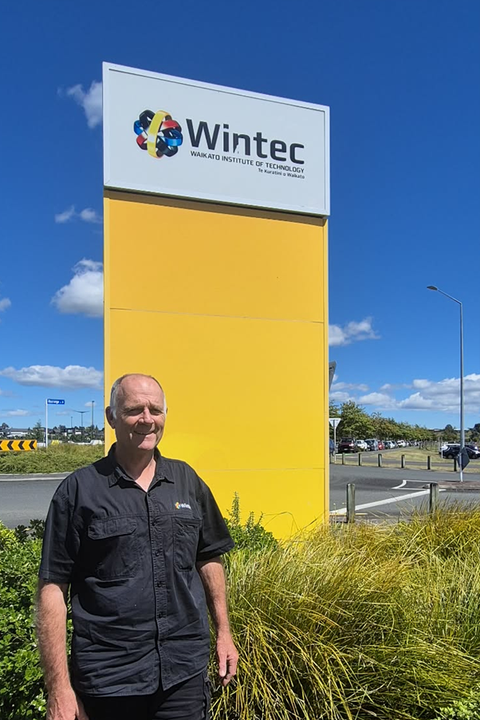
Crafting Capability: Bruce Delany on 50 Years in Joinery and the Future of the Trade
11 minute readFor 50 years, Bruce Delany has been a defining influence in New Zealand joinery. From a joinery apprentice to a long serving Wintec Joinery Tutor, he has helped shape generations of tradespeople, guiding more than four decades of apprentices through an ever evolving trade.
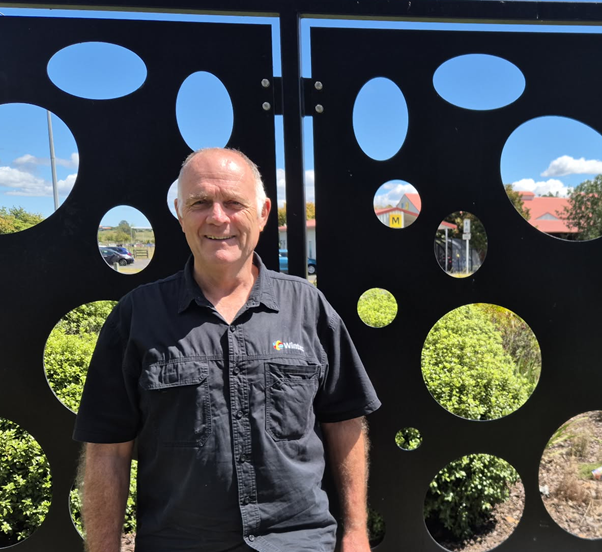
Bruce entered the industry in the late 1970s, choosing a Timber Joinery apprenticeship over Coachbuilding simply because he, “wanted to work with his hands.” Coming from a farming background, practical work felt natural, and joinery offered both stability and a lifelong craft.
His apprenticeship exposed him to the full breadth of the trade - stairs, windows, kitchens, shopfitting, aluminium glazing, and finishing work.
After several years in the industry, including house building, Bruce pursued his long-term goal of teaching. A timely opportunity at Wintec allowed him to train while supporting his young family, and the role quickly proved the right fit.
Five decades later, it’s the people who keep him motivated. He views an apprenticeship as a major commitment, especially for 16 year olds entering the workforce, and views his role as both instructor and steward. One of his great satisfactions is seeing former apprentices become employers and send their own apprentices through the system. “That succession is powerful,” he says.
For Bruce, joinery stands apart because the work is visible, “if it’s not right, everyone sees it.” He has a particular passion for curved timber work and traditional staircases -craftsmanship that stops people in their tracks.
But he is realistic about how the industry is changing. Over the past 20 years, specialisation and automation have accelerated, with advanced machinery pushing businesses toward niche production streams such as kitchens and CNC-based manufacturing. This shift, he says, requires new skills in marketing, CAD, 3D modelling and digital production.
Despite the rise of automation, Bruce believes traditional craft will remain, though in a more specialised form. Renovation, restoration, bespoke joinery and heritage work will continue to rely on skilled craftspeople whose tactile understanding cannot be replaced by machines.
Looking ahead, Bruce sees a blended future: digitally fluent joiners confident in modelling, CNC operation and business fundamentals, alongside a smaller but vital cohort of highly skilled tradespeople preserving and advancing traditional techniques.
After 50 years, Bruce remains both pragmatic and optimistic. Technology will continue to reshape the sector, but the essence of joinery, pride and visible craftsmanship will endure.