Building a Legacy: The Turtle Tiling Story
5 minute read"The little island boy who grew up in a shack now has his own house and business and is doing things he never could have imagined were possible."
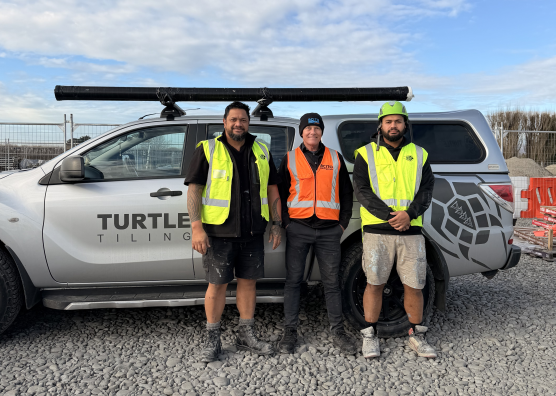
Asi's tiling journey began in the Cook Islands, where methods were basic and tools and materials were limited. When he moved to New Zealand 25 years ago, his first goal was to get a job in a tiling company.
That first job set off a chain of events that would eventually lead him to starting his own business, gaining formal BCITO qualifications and investing in apprenticeship training.
Asi spent two years doing general labour before he even started laying tiles. He then worked his way through some of Christchurch's best architectural and commercial companies, eventually stepping into foreman roles and overseeing more than 20 tilers on large commercial projects across the South Island.
Eventually Asi set up his own business, Turtle Tiling. As demand grew, he brought on apprentices as well as his wife to manage operations and pricing.
Getting qualified later in life
Asi's own path to qualification shapes how he supports the apprentices coming up behind him. When he first started tiling, formal qualifications weren't a part of the picture. He'd left school at 14 and study felt intimidating, especially since he was the first in his family to pursue higher education.
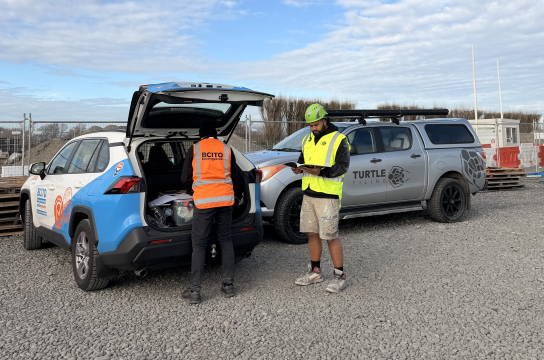
Running a team changed that and recently, Asi got qualified through BCITO's ERP programme, "I knew that if I expected my own team to go through the apprenticeship process, it was only right that I did the same myself," he said.
For Asi, the qualification was never about the certificate. It’s about building a business’s reputation and reassuring clients that the team is properly trained. It also shows his apprentices that the process is worth sticking with, even when it feels out of reach.
Why apprentices stay
Many of Asi's apprentices have become qualified and stayed with the business long term. He puts that down to how the team is built. His leadership approach is grounded in the Pasifika values of family and faith, and that shapes the culture at Turtle Tiling, "the Pasifika core values of building a strong family foundation and our Christian faith give us the framework for building our life. I lean on these principles with our team and hope that the example I set gives them motivation to do the best they can."
That family framework is more than a metaphor. Asi's son in law is qualified, his son is close to finishing his apprenticeship and his nephew has just begun his - all working alongside him. When apprentices see a business owner who has trained his own family, it creates a sense of belonging rather than just employment.
Removing the barriers
Pasifika workers make up a large part of New Zealand's construction workforce but qualification rates remain lower than average, and that gap is where apprentices are most at risk of dropping out. Asi believes this comes down to fear of failure, not knowing where to start, or being too shy to ask for help.
One of the things Asi values most about working with BCITO is the way they adapt to different learning and communication styles. After 25 years in New Zealand, Asi speaks English well but writing doesn't come as easily. His BCITO Training Advisor has tailored the assessment process to suit how Asi communicates rather than expecting him to fit a standard mould.
His advice to Pasifika people thinking about entering the trades, “don't be afraid to ask questions and put yourself out there. The little island boy who grew up in a shack now has his own house and business and is doing things he never could have imagined were possible."
Asi's story shows that when people feel valued and see a clear path forward, they don't just qualify - they stay, grow and bring the next generation with them.
If you're an employer ready to start training an apprentice, sign one up here: