ADHD Awareness Month: Breaking Down Barriers
BCITO Carpentry apprentice Libby Dombroski was diagnosed with ADHD in 2021 but she hasn’t let her diagnosis hold her back from building a successful career in the trades.
ADHD is the most common neurodevelopmental condition in children and adolescents. In New Zealand, an estimated 280,000 Kiwis have ADHD. Despite growing understanding and awareness of the condition, negative stereotypes still persist.
“There is a lot of stigma that comes with it. When you think of ADHD, you think of the annoying person that is always talking, always moving and getting in trouble. I kind of thought that if you have ADHD that there was only one route and that was either a really bad one or an okay one. I just thought that this was always how it was going to be,” said Libby.
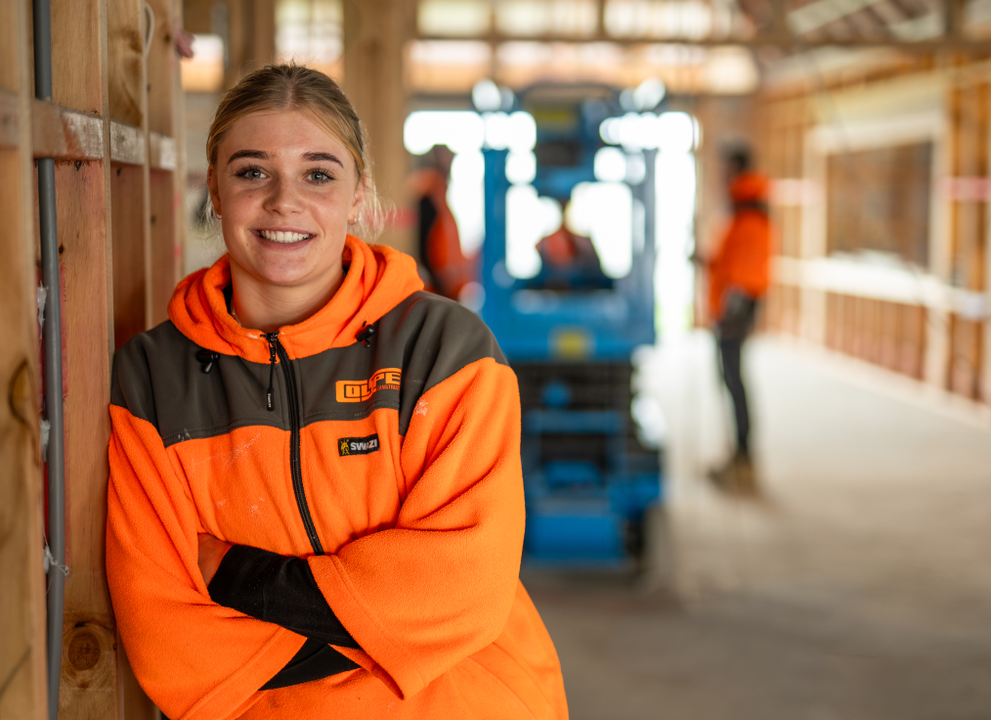
However, Libby has proven herself wrong, "my apprenticeship journey has been awesome so far. I’m learning something new every day and working with a great team,” she said.
Libby chose carpentry because it aligned with her interests and offered transferable skills. From the beginning of her apprenticeship, she was open about her ADHD diagnosis, allowing her employer and BCITO Training Advisor to work together to provide support tailored to her needs.
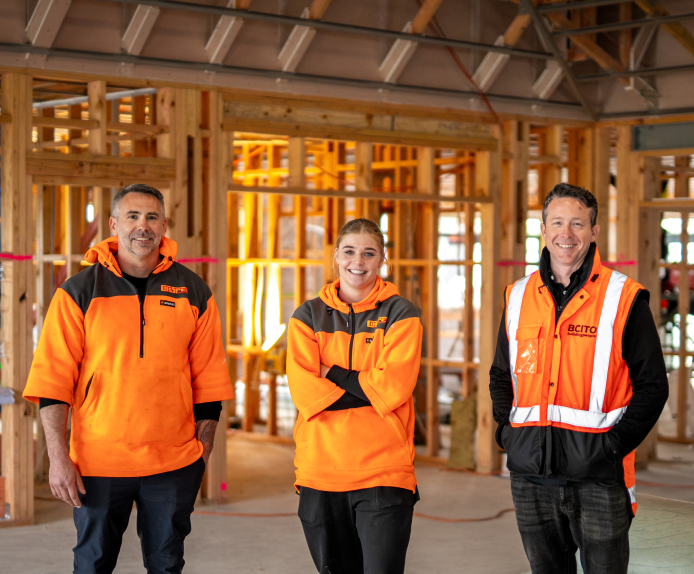
“When we signed Libby up, she let us know that she had ADHD so we arranged some one-on-one time. Since then, she has been excelling. If my apprentices are open and honest with me, I can offer them support and tailor my approach to their needs,” said Stephen Fraser-Clark, BCITO Training Advisor.
Libby’s employer, Gareth Andrews, agrees, “I don’t see ADHD as a problem because if harnessed correctly, it can be a real benefit. Knowing how someone learns and what information they need is what’s important.”
Gareth believes creating meaningful career pathways is about understanding the individual, “we want all our team members to succeed. If a particular pathway isn’t the right fit, we can work with the individual to identify alternatives. For someone with ADHD, it is no different,” he said.
Libby says Gareth’s and Stephen’s willingness to understand how she works has made all the difference and given her the confidence she needs to thrive, “they have both taken the time to accommodate my learning style and support the way I work. BCITO has also offered free FaceTime tutoring sessions which have been invaluable,” she said.
To stay organised and focused, Libby uses practical strategies like setting regular reminders on her phone, asking plenty of questions and looking for ways to improve efficiency and the quality of her work.
Understanding her ADHD diagnosis has also helped her to show herself more compassion when tackling complex concepts, “researching strategies that have helped others with ADHD has also been very useful for me,” Libby said.
Libby hopes to encourage others with ADHD to pursue their goals and to know, “that it is possible to do great things. There are so many opportunities and there are so many people who want you to succeed. There are tools available to help you get to where you want to be,” she said.
Looking ahead, Libby wants to support other apprentices and show people that ADHD does not have to be a roadblock, “ultimately, I want to use my skills to give back to everyone who has supported me along the way,” she said.
BCITO is committed to breaking down barriers for apprentices and employers so that all New Zealanders can thrive in a construction career. To find out more about the different types of support BCITO has available visit: https://bcito.org.nz/building-abilities/
Recent news
BCITO Carpentry apprentice Libby Dombroski was diagnosed with ADHD in 2021 but she hasn’t let her diagnosis hold her back from building a successful career in the trades.